The Importance of Responsibility in Legal Services

Introduction

Responsibility is a fundamental principle in the legal profession, encompassing ethical conduct, professional integrity, and accountability. Lawyers and legal professionals are entrusted with significant responsibilities, including representing clients, upholding the law, and maintaining public trust in the legal system.

Ethical Responsibilities of Legal Professionals

Legal professionals are bound by a code of ethics that governs their conduct. This includes duties such as confidentiality, honesty, and loyalty to clients. Ethical responsibility ensures that lawyers act in the best interest of their clients while maintaining the integrity of the legal profession.

Professional Responsibility and Competence

Competence is a key aspect of professional responsibility in legal services. Lawyers must possess the necessary skills, knowledge, and experience to provide effective representation. This includes staying updated on legal developments and continually improving their practice.

Accountability in Legal Services

Accountability is essential for maintaining trust in the legal system. Lawyers are accountable to their clients, the courts, and regulatory bodies. This means taking responsibility for their actions, following legal procedures, and upholding the law.

The Role of Legal Services in Society

Legal services play a crucial role in society, ensuring access to justice, protecting rights, and resolving disputes. The responsibility of legal professionals extends beyond individual cases, as they contribute to the broader functioning of the legal system and the rule of law.

Challenges in Upholding Responsibility

Upholding responsibility in legal services can be challenging, especially in complex cases or high-pressure situations. Legal professionals must balance their duties to clients with their obligations to the court and society, sometimes making difficult ethical decisions.

Conclusion

Responsibility is at the heart of the legal profession, guiding the conduct of lawyers and ensuring the effective delivery of legal services. By upholding ethical standards, maintaining competence, and being accountable, legal professionals contribute to the fairness and integrity of the legal system.

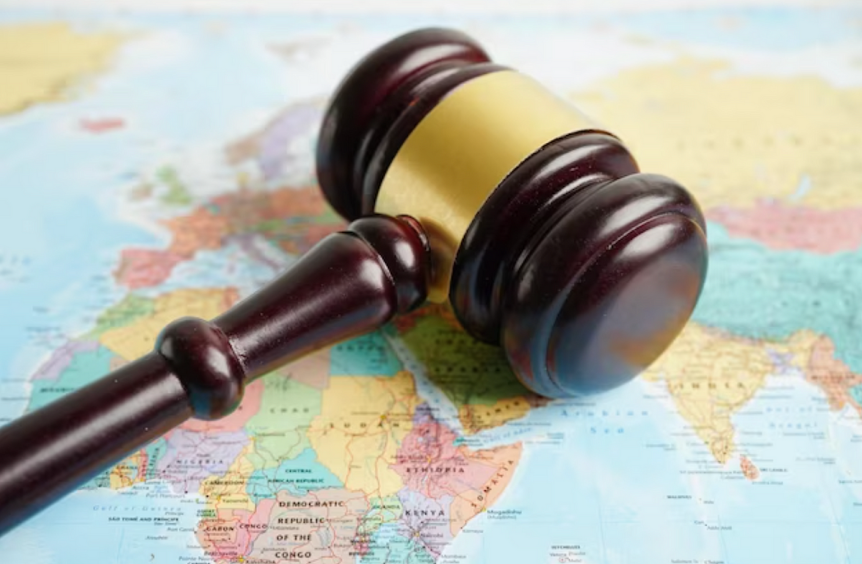
Law and Technology: The Evolving Legal Challenges in the Digital Age

Introduction

The rapid advancement of technology has brought about significant changes in the legal landscape, creating new challenges and opportunities for legal professionals. Law and technology intersect in various areas, including data privacy, intellectual property, cybersecurity, and the regulation of emerging technologies like artificial intelligence (AI).

Key Legal Issues in Technology

  1. Data Privacy: As technology enables the collection and storage of vast amounts of personal data, protecting individuals’ privacy has become a major legal concern. Laws like the General Data Protection Regulation (GDPR) in Europe set strict standards for how personal data must be handled.
  2. Intellectual Property: The digital age has transformed the way intellectual property (IP) is created, shared, and protected. Issues like copyright infringement, patent disputes, and trademark violations are increasingly common in the tech industry.
  3. Cybersecurity: The rise of cyber threats has led to a growing need for legal frameworks that address cybersecurity. Laws and regulations aim to protect critical infrastructure, personal data, and national security from cyberattacks.
  4. Artificial Intelligence: AI presents unique legal challenges, including questions about liability, ethics, and the regulation of autonomous systems. As AI technologies become more integrated into society, the legal system must adapt to address these issues.

The Role of Technology in the Legal Profession

Technology is also transforming the legal profession itself. Legal tech tools, such as e-discovery software, AI-powered legal research, and online dispute resolution platforms, are changing how lawyers work and interact with clients.

Challenges in Law and Technology

The fast-paced nature of technological innovation often outpaces the development of legal frameworks. This creates challenges for regulators, businesses, and legal professionals who must navigate uncharted legal territory while ensuring compliance and protecting rights.

Conclusion

The intersection of law and technology is a dynamic and evolving field that presents both challenges and opportunities. As technology continues to advance, the legal system must adapt to address new issues and ensure that laws remain relevant and effective in the digital age.

International Law: Navigating the Legal Landscape Across Borders

International law governs the relationships between nations and is essential for maintaining global order. It encompasses a wide range of issues, including human rights, trade, environmental protection, and conflict resolution. Understanding international law is crucial for governments, businesses, and individuals involved in cross-border activities.

The Foundations of International Law

International law is based on treaties, agreements, customs, and principles recognized by the international community. It includes binding agreements, such as the United Nations Charter, and customary laws that evolve over time through consistent state practice.

Key Areas of International Law

  1. Human Rights: International human rights law aims to protect the fundamental rights and freedoms of individuals worldwide. Treaties like the Universal Declaration of Human Rights set standards for governments to uphold human dignity and justice.
  2. Trade and Commerce: International trade law regulates the exchange of goods, services, and capital across borders. It includes agreements such as the World Trade Organization (WTO) agreements, which aim to promote fair and open trade.
  3. Environmental Law: International environmental law addresses global challenges such as climate change, biodiversity loss, and pollution. Agreements like the Paris Agreement on climate change seek to coordinate international efforts to protect the environment.
  4. Conflict and Peacekeeping: International law also governs the use of force, conflict resolution, and peacekeeping efforts. The Geneva Conventions, for example, set rules for the humane treatment of combatants and civilians during armed conflicts.

The Role of International Organizations

International organizations, such as the United Nations, the International Court of Justice, and the International Criminal Court, play a critical role in enforcing international law. They provide forums for resolving disputes, upholding legal standards, and promoting cooperation between nations.

Challenges in International Law

International law faces challenges, including issues of enforcement, differing national interests, and the complexity of coordinating global responses to problems. Despite these challenges, international law remains essential for promoting peace, security, and justice in the world.

Conclusion

International law is a vital component of the global legal landscape, providing a framework for cooperation, conflict resolution, and the protection of human rights. As the world becomes increasingly interconnected, the importance of understanding and adhering to international law continues to grow.

The Intersection of Healthcare and Law: Navigating Legal Complexities

Introduction

Healthcare law is a multifaceted field that deals with the regulations and laws governing the healthcare industry. It encompasses a wide range of legal issues, from patient rights and medical malpractice to healthcare regulations and bioethics. Understanding the intersection of healthcare and law is crucial for healthcare providers, patients, and legal professionals alike.

Key Areas of Healthcare Law

  1. Patient Rights: Healthcare law protects the rights of patients, ensuring they receive proper care and have access to their medical records. It also covers issues related to informed consent, confidentiality, and the right to refuse treatment.

  2. Medical Malpractice: Medical malpractice law allows patients to seek compensation if they suffer harm due to a healthcare provider’s negligence. This area of law is complex, requiring a thorough understanding of both legal and medical principles.

  3. Healthcare Regulations: Healthcare providers must comply with numerous regulations, including those related to patient privacy (such as HIPAA in the United States), insurance, and medical licensing. Failure to comply with these regulations can result in legal penalties.

  4. Bioethics: Healthcare law also addresses ethical issues arising from advances in medical technology, such as genetic testing, cloning, and end-of-life care. These issues often require balancing legal principles with ethical considerations.

The Role of Healthcare Lawyers

Healthcare lawyers play a critical role in advising healthcare providers, hospitals, and patients on legal matters. They help navigate the complex web of regulations, represent clients in malpractice cases, and ensure that healthcare practices comply with the law.

Challenges in Healthcare Law

Healthcare law is constantly evolving, driven by changes in technology, regulations, and societal values. Legal professionals in this field must stay updated on the latest developments to effectively represent their clients and address emerging legal issues.

Conclusion

The intersection of healthcare and law is a dynamic and challenging field that impacts everyone, from healthcare providers to patients. Understanding the legal complexities involved is essential for ensuring that healthcare practices are ethical, legal, and in the best interest of patients.

The Role of Defense Lawyers in Protecting Legal Rights

Defense lawyers play a crucial role in the legal system, ensuring that individuals accused of crimes are given a fair trial and their legal rights are protected. Whether dealing with minor offenses or serious crimes, defense lawyers serve as advocates for the accused, working diligently to uphold justice.

The Responsibilities of a Defense Lawyer

A defense lawyer’s primary responsibility is to represent their client in criminal proceedings. This includes providing legal advice, negotiating plea deals, and representing the client in court. They must thoroughly investigate the case, gather evidence, and build a defense strategy to challenge the prosecution’s case.

Protecting Constitutional Rights

One of the most important roles of a defense lawyer is to safeguard the constitutional rights of the accused. This includes ensuring that the defendant receives a fair trial, is presumed innocent until proven guilty, and is protected from unlawful searches, seizures, and self-incrimination.

The Importance of a Fair Defense

A fair defense is essential for maintaining the integrity of the legal system. Without effective representation, innocent individuals could be wrongfully convicted, and the guilty might go unpunished. Defense lawyers ensure that the legal process is balanced, providing a counterpoint to the prosecution’s case.

Challenges Faced by Defense Lawyers

Defense lawyers often face significant challenges, including public scrutiny, difficult clients, and complex legal issues. They must remain objective and focused on their duty to provide the best possible defense, regardless of the crime their client is accused of.

Conclusion

Defense lawyers are vital to the justice system, providing a necessary check against potential abuses of power and ensuring that every individual receives a fair trial. Their work upholds the fundamental principles of justice and protects the legal rights of all citizens.